

What Stockport and Darwen can teach us about creating markets that work for traders, customers and the wider town centre.

A market redevelopment is a chance to shape how people use a town centre – not just improve a building. A stronger mix of traders, welcoming spaces and well-planned activity can give residents more reasons to visit and help neighbouring businesses benefit. But an attractive venue is only the start. It needs an offer people want, a trading model that works and connections with the wider town.
Stockport and Darwen show why the starting point matters. Stockport has built momentum through complementary investment in food, culture, transport and independent enterprise. Darwen is seeking to broaden the appeal of a town centre where retail occupancy is already high. Five priorities connect these approaches: follow the evidence, build a balanced offer, create reasons to return, connect the market and plan for delivery. Here is what those priorities mean in practice.
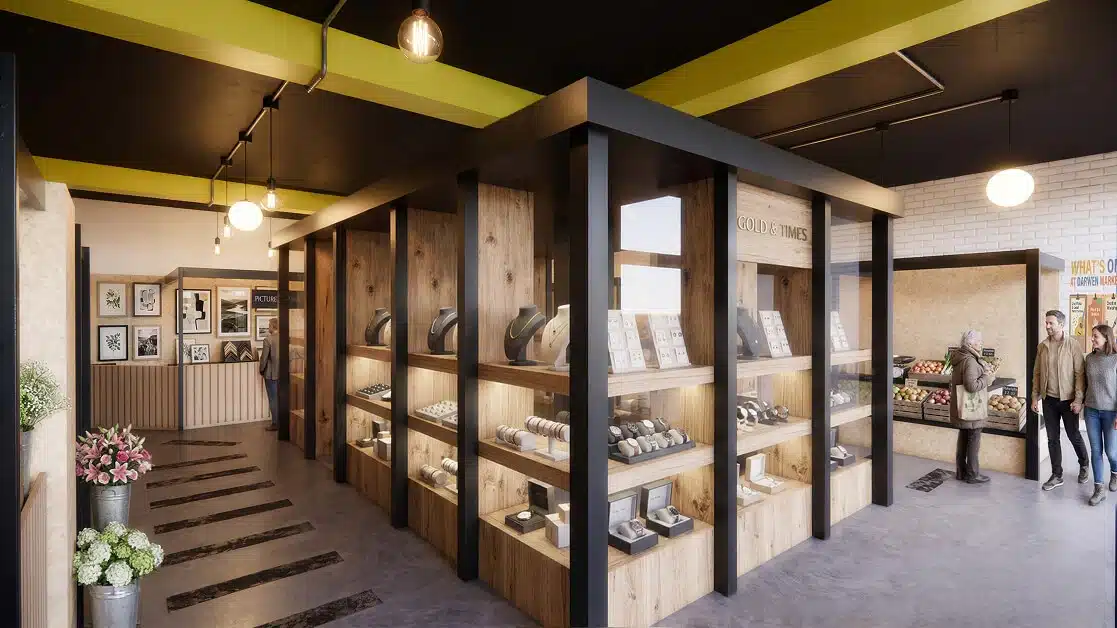
Start by defining what the market should add to the town. A traditional market can support essential shopping and independent enterprise, giving people opportunities to shop locally. A food hall can strengthen the social offer, support the evening economy and attract town-centre visits. A mixed offer or a blended market offer may combine fresh food, retail, services, hospitality and community uses. The aim is not to include everything, but to choose uses that meet local needs and work well together.
Customer and catchment research should explain who uses the town now, who does not, and why. Combine trader insight with information on local spending, competing venues, access and planned housing or development. Look beyond demand for a particular product: consider convenient opening times, affordability, the number of seats and the ease of combining a market visit with other activities. Use these findings to shape the brief before developing the preferred layout in detail.
Turn the evidence into a clear plan for the mix of uses. Decide which activities need to trade together, which depend on shared seating or services, and how quiet and busy periods will be managed. Essential shopping should remain easy to find and use as new food, leisure or community activities are introduced. A broader audience should strengthen the market’s existing role, not make loyal customers feel that it is no longer for them.
The venue offering, trader mix, design, rents and operating costs need to be tested together. The financial model should cover fit-out, occupancy, turnover assumptions, service charges, staffing, utilities, maintenance, marketing and events. It should show how the venue performs in ordinary trading weeks, not just at full occupancy or on busy weekends. Identify who pays for shared spaces and services, who carries operating losses and what support is available during mobilisation and early trading.
Test a realistic base case alongside more difficult conditions: slower lettings, lower sales, higher costs or a delayed opening. Use those tests to review the lease structure, phasing and level of working capital required. If a public objective needs ongoing funding, make that commitment visible rather than expecting traders to absorb its cost. This gives partners a clearer basis for investment and traders a more credible proposition.
Governance should be equally practical. Agree who owns the business plan, who manages the venue, who approves changes and how performance will be reviewed. Clear responsibilities help authorities protect public value, developers understand the wider benefit and operators make timely decisions. They also prevent essential tasks – such as trader support or programming – from falling between organisations.
Plan the market as part of a wider visit. Can someone arriving by bus or train find it easily? Do entrances and signs encourage people to explore nearby shops and streets? Can a library visit, performance or working day lead naturally to shopping or a meal with mates? Resolve accessible routes, sightlines, outdoor seating, servicing and opening hours alongside the wider public-realm and transport plans. Proximity alone does not guarantee that destinations will support one another.
Give events a clear purpose. An activity might introduce a new audience, support a quieter trading period or encourage visitors to explore another part of town. Match its timing and content to the traders who can benefit, and coordinate with neighbouring venues. Review the cost, sales response and repeat visits rather than judging success only by the size of the crowd. A reliable calendar and a good everyday experience matter more than a single busy launch.
Assign responsibility for the ongoing work that keeps the place active: promotion, customer information, partnerships, cleaning, maintenance and responding to feedback. The council, market management, a BID and local businesses may each contribute, but their roles and budgets need to be clear. Investment creates the opportunity; consistent management helps people choose to return.
A welcoming venue and staff who greet customers with a smile can do more to encourage a return visit than a thousand aspirational words.
Bring existing traders into the planning early, with clear information on timing, costs, proposed terms and the decisions still to be made. Where relocation is needed, address practical matters such as storage, servicing, equipment, customer directions and the move itself. Use temporary trading to maintain relationships and gather insight, not simply to bridge a construction programme.
Test operator and new-trader demand before fixing the design. Discuss the proposed terms, fit-out responsibilities, management arrangements and requirements for late opening or shared services. Build a realistic recruitment and mobilisation plan, with milestones for agreements, fit-out, training and opening. A good concept needs businesses that can deliver it and enough time for them to prepare.
“Bringing 14 Market Street back into active use will give traders a visible temporary home in the heart of the high street. It will help maintain momentum throughout the works, bring activity to the street and introduce the market to new audiences. As Darwen welcomes new homes, families and investment, we have an opportunity to create a market that remains proudly local while responding to how people want to shop and spend time today.”

Agree a baseline before works or major changes begin. Track occupancy and trader retention alongside sales, visit frequency, dwell time and use at different times of day. Include neighbouring streets and businesses where possible: a busy market is valuable, but the wider regeneration case depends on what happens beyond its doors.
Compare trading and non-trading periods and record events, opening hours, weather, seasonal changes and other town-centre activity that may affect visits. Keep methods and locations consistent, distinguish visits from unique visitors, and avoid adding overlapping counts. Customer feedback and trader insight can help explain the numbers, but increased footfall alone does not establish increased spending or prove that one project caused the change.
Give each measure an owner and a review timetable. Use the findings to adjust the trader mix, opening hours, communications and programme, and share a clear account of progress with partners. Measurement should support better decisions, not simply justify the original proposal. That is how an opening becomes a platform for continued improvement.
Stockport and Darwen point to the same practical lesson: connect a clear role for the market with viable trading, wider investment and sustained management. Market Curators supports authorities, developers and regeneration partners from early feasibility through to delivery. We bring together customer and catchment analysis, benchmarking, operator and trader engagement, space planning, commercial and financial modelling, governance, relocation, mobilisation and launch strategy.
Planning the next chapter for your market or food hall? Bring commercial and operational thinking into the project early. To discuss how Market Curators can help create a destination that works for traders, customers and the wider town, contact James Wrigley at james@marketcurators.uk.