Addressing the loss-making market dilemma – and why ownership does not always have to mean direct operation.
Across the UK, councils are facing a difficult question: can they continue operating markets that lose money while still recognising the social value those markets provide?
Markets are often much-loved public assets. They carry heritage, civic pride and social value, support independent traders, and give people a reason to visit town centres. But for many local authorities, the financial reality is becoming harder to ignore. With council budgets under pressure, every subsidised asset now has to justify not only its social value, but also its operating model.
The answer is not simply disposal. Well-run markets can still support enterprise, create affordable routes into retail and hospitality, and provide a distinctive alternative to clone-town high streets.
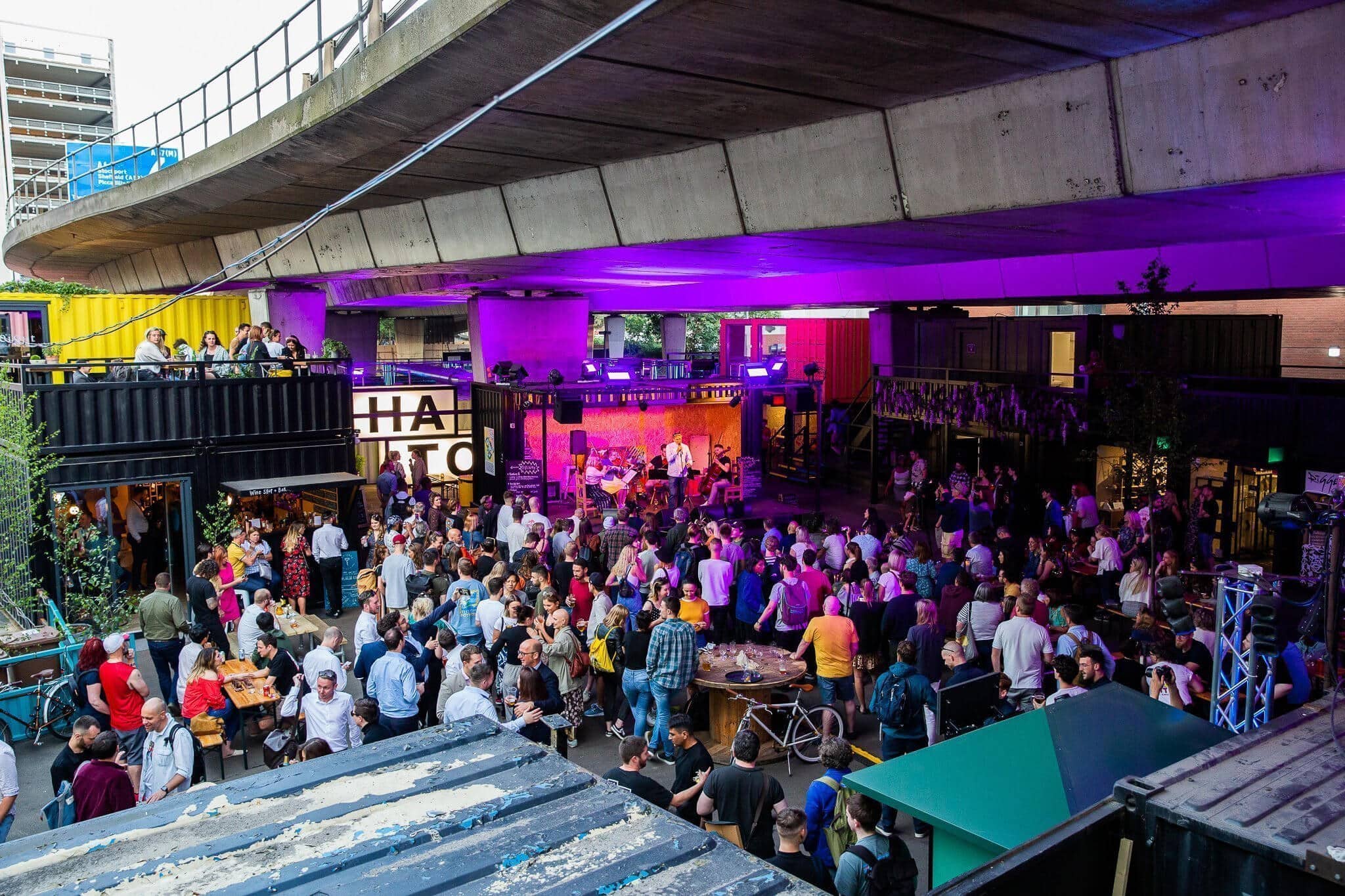
The strongest modern market halls combine independent retail, street food, bars, events, co-working, creative activity and community programming. Done well, they become active destinations rather than passive trading spaces. This can drive footfall, dwell time and evening economy activity – but it requires specialist commercial, hospitality, marketing and operational expertise.
Most council-operated markets were not designed as autonomous profit centres. They often sit within wider local authority structures, where decision-making can be cautious and slow.
Markets need active curation, quick marketing decisions, seasonal programming, events, digital promotion and hands-on trader support. They need teams who think like operators, not just landlords. Many are therefore caught in the middle: publicly owned and socially valuable, but commercially underpowered – with falling footfall, weaker trader demand, increasing subsidy and growing pressure on officer time.
Councils do not have to choose between full in-house operation and full disposal. There are several options between those extremes, including concession agreements, management contracts, joint ventures, specialist outsourcing and hybrid arrangements. For many authorities, the most practical option is a hybrid model: the council keeps ownership and protects the long-term public interest, while specialist operators manage the commercial, hospitality, marketing and programming elements.
This can protect the civic purpose of the market while introducing the agility needed to reduce deficits, improve income, attract traders and strengthen the customer offer.
A good hybrid model is not a blank cheque or a loss of control. It should be built around clear agreements, defined responsibilities, measurable KPIs and regular reporting.
Done well, it can reduce reliance on subsidy, increase occupancy, improve footfall, strengthen food and event offers, support local independents and move the market towards profit, cost neutrality, or a reduced deficit.
Importantly, the council can still set the parameters: social value, affordable trading, community access, local employment, inclusion, heritage, and civic priorities. The operator then brings the expertise needed to make the market work commercially.
To move out of the red, many markets need to shift from maintenance to active management.
Quicker decisions on tenant mix, pricing, marketing spend and events.
Training or recruitment focused on retail, hospitality, events and customer experience.
Dedicated digital campaigns, social media, partnerships and brand positioning.
Professional handling of bars, coffee offers, street food and licensing considerations.
Regular events, workshops, community activity and reasons to visit beyond weekly shopping.
Realistic trading forecasts, operational budgets and early identification of financial anomalies.
The starting point is a frank review: is the market losing money, absorbing too much officer time, losing footfall, or struggling to attract strong traders?
Once that is clear, councils can choose the right model. In some cases, improved in-house operation may be enough. In others, a specialist management agreement or outsourced food and beverage operation may provide the expertise required without giving up ownership.
The key is fit. The right model should protect public value, reduce pressure on the public purse, and give the market the best chance of becoming financially sustainable.
Market Curators specialises in indoor and outdoor markets, with experience across more than 260 markets and food halls in the UK and Europe. We are operators at heart, combining commercial planning, design thinking, and hands-on operational knowledge. We help councils review performance, test operating models, create trading forecasts, develop tenant mix strategies, plan food and beverage operations, and design management structures that balance commercial return with community benefit.
If your market is losing money, struggling for footfall, or becoming a drain on internal resource, now is the time to review the model – before the deficit becomes the strategy.
If you are considering regeneration, redeveloping a market, reviewing a loss-making service, or repurposing a historic building, we would be happy to share our experience and lessons learned. To arrange a complimentary virtual meeting, please email james@marketcurators.uk.